Pages

Showing posts with label Economy. Show all posts

Wednesday, January 2, 2013

Your Cheatin' Heart: The Raley's Strike in Jackson, Part II

Spinning the Strike.
By David Roddy and Michael Israel
Michael Teel
 
The striking Raley's employees during the November 2012 strike faced the coordinated hostility of consultants hired by the company to negotiate against the union and to present the company's position to the media. The professional background of these consultants is a case study in the flexible networks formed by the power elite in the realms of politics and business, and demonstrates the use of public relations to present the interests of employees as one with their employers.
In December of 2011, one month before the expiration date of the union's contract with Raley's, the Sacramento Bee quoted CEO Michael Teel's “special assistant” Bob Tiernan that cuts to retiree health cuts and the introduction of a high insurance premium "will save the company millions and is critical to our future success." Tiernan established himself in the grocery business as the CEO of Grocery Outlet from 2004 to 2009, which he resigned from to take the position as Oregon's Republican Party chairman. In 2010 he triggered a media scandal by justifying the use of $2000 from the RNC at a West Hollywood topless BDSM club by stating it was an “extremely high-end bar.” As chairman, he was also the chief petitioner for mandatory minimum sentencing in the state, and the odious Measure 17, which made state prisoners work for companies without compensation in “public-private partnerships,” and eliminated any grievance mechanism for “free-workers” downsized from competition with prison labor.

Tuesday, January 1, 2013

Your Cheatin' Heart: The Story of the Jackson Raley's Strike, Part I

By Michael Israel and David Roddy

 Your cheatin' heart
Will make you weep
You'll cry and cry
And try to sleep
But sleep won't come
The whole night through
Your cheatin' heart
Photo credit Layla Griffin
The parking lot of Raley's supermarket in Jackson, California, was close to empty the evening of November 11, 2012. A thin, twenty-something man held his toddler and danced, whispering to his son the words to “Your Cheatin' Heart” as Hank Williams blasted from the cassette player of an aging Toyota pickup truck parked nearby. The man’s wife, a deli worker for the store, glanced angrily at a family of customers walking calmly passed her picket sign and into the store, where a waiting strike-breaker politely opened the door. The cheerful demeanor of the picket crossers defied Hank's prediction of a guilty conscience playing in the background.

Jackson is the heart of Amador County, a small county at the western foot of the Sierra Nevadas. Amador shares features in common with rural communities across the West: mostly white, Catholic, working class, and Republican. The county is home to the state’s largest Tea Party, and a majority of the county voted in favor of Proposition 32, an anti-union state ballot initiative. Unsurprisingly, the November strike at Raley’s polarized the community, demonstrating at once the optimism of labor's resurgence and the pitfalls facing a revitalized workers movement.

Wednesday, February 1, 2012

Journal of a Mother Lode and L.A. Resident Arrested at Occupy L.A.: Post 2

By John Pulskamp

LAPD’S RAID ON “SOLIDARITY PARK” (City Hall Park)
On Sunday November 27 it appeared that LAPD would raid the encampment that night. Mayor Villaraigosa, although he had initially supported Occupy Los Angeles and the encampment, had made statements that the park would be cleared that night. I had been in Amador County for Thanksgiving, but left at noon on the 27th to drive back to southern California. Holiday traffic resulted in my not getting to City Hall until 11:15 p.m. A couple of thousand Occupy Los Angeles supporters filled the camp and surrounding streets making it impossible for LAPD to move on the camp without it getting very ugly. Eventually LAPD withdrew after clearing the streets, but without attacking the camp. Thanks to the presence of all those supporters, the park was held against the 12:01 a.m. deadline that had been announced by the mayor.

I was in Solidarity Park through the night and most of Monday, the next day. On Monday the crowds were not as large as they had been the night before, but there were still quite a few people there, and the police did not attack. I had not had any sleep since early Sunday morning, so Monday evening I went back to my home in the San Fernando Valley and got about five hours sleep.

Late in the day of Tuesday, November 29 I returned to City Hall. There was a particular tent we had decided to symbolically protect from being removed. We formed concentric circles around the tent and sat down. Various reports of the numbers of Occupiers in the circles range from 50, 75, and up to 100. I was in the innermost circle right against the tent. Those in the circles locked arms and sat peacefully.

Line of LAPD squad cars.
I wasn’t sure what to expect in the event the police were to come in. I have seen LAPD dish out some pretty heave “street justice” on other occasions. I didn’t think it likely that they would use gas or pepper spray, mostly because of all the bad press resulting from the police use of pepper spray at U.C. Davis just a few days earlier, but I wasn’t sure. Someone from the Occupy Los Angeles supply tent gave me a bandana soaked in vinegar, which I was told would help in the event of pepper spray. I was also given some earplugs because there was concern that the police might use loud, damaging sound to force disbursement.
I was not wearing a watch so I am not sure of the times of anything that happened that night. It was sometime around midnight I think when the police began the attack. There was lots of noise, and protesters were chanting. Because of the noise, the chanting, and the earplugs I couldn’t make out clearly what was being said, but there had suddenly been a lot of yelling and people running in various directions. With that I assumed the police were moving in, and in short order that was confirmed, as we were quickly surrounded by a hoard of police in riot gear with some pointing weapons at us.

Tuesday, January 3, 2012

Saturday, December 31, 2011

"Punk music fights against poverty" at the Amador Music Hub

Mother Lode progressive and Zapatistas frontman Nick Pistoia
Amador Ledger Dispatch writer Gwen Bohdan published a great blog about the upcoming show this Tuesday.


CLICK HERE TO READ IT

Monday, December 19, 2011

"Occupy Calaveras" in the news.

You can read the coverage by the Union Democrat here.

Wednesday, November 23, 2011

Friday, November 18, 2011

The Occupy Journal of a Country Radical: "Occupy Sacramento" October 15, 2011

By Michael Israel

ARRESTED AGAIN!


After I arrived in Sacramento on the 15th, I joined a large crowd surrounding the Capitol steps. I started looking through the crowd for fellow foothill activists. “Mike!” I heard Alan’s voice, somehow I had managed to walk right by and not see him. The rest of the foothill contingent drove back up early.

Cindy Sheehan joined us as the night wore on. I met up with some of the arrestees from the first night, and we catch up and shoot the shit. Some guy sung “Rebel Yell,” and though I’m not a fan of the song,  the guy actually sounded good. I think this was the same night with the drum circle too, which is not really my thing either. I am a Debbie Downer protestor; I guess it was good to see people with energy though.

My Path to Freedom

By Meghan O'Keefe


         WE WILL STAND
In 2010 I had been earning six figures for about ten years, owned a ritzy house east of Cleveland Ohio, and didn't think much about money. However, the poverty in Cleveland quickly wore away my "happily-ever-after". I wanted to get off the grid and out of a lifestyle that was isolating me from authenticity, freedom of expression, and my mission to Repair The World. Thus, I left my partner and my life and shortly after was laid-off.

Why Occupy Amador?

Originally published in the Ledger-Dispatch by David Roddy

Occupy Amador, Nov. 17 2011. Photo Courtesy of Alan Willard
Reckless Wall Street speculation and deregulation gave California some of the highest unemployment and foreclosure rates in the country. This disaster exacerbates the strain already placed on working families by three decades of neoliberalism. I believe our political and economic system must fundamentally change to ensure prosperity, equality, and freedom for future generations, and the Occupy Wall Street movement is a positive first step towards building a brighter future. The recession hit the Mother Lode particularly hard. According to the Bureau of Labor Statistics, Amador, Calaveras, and Tuolumne average an unemployment rate of 13.6 percent, significantly higher than California’s 11.9 percent as well as the U.S. rate of 9.1 percent. Foreclosure rates in the tri-county area average every one in 864 homes, a drastic increase from previous years. Moreover, the slashing of public funds by zealous right-wing politicians steals the essential services needed to care for those most at risk in our community.

Our local governments have done little to challenge this toxic agenda. Unfortunately, start-up businesses cannot absorb these numbers, and with the diminished consumer demand associated with lower wages and high unemployment, there is little incentive to supply services anyways. A national jobs program aimed full employment would significantly increase demand and relieve the millions unemployed. On a local level, community owned enterprises could anchor capital in our region by selling shares only to residents. The solutions to the problems facing our economy must work on multiple levels, and the Occupy movement is opening the dialogue around them. As I write this, police are swarming Zuccotti Park in New York, but I have little doubt that the perseverance of the American people will overcome this setback. In Amador, residents are rallying in support of the movement, and will engage in protests in weeks to come.

To learn more about how you can help, visit facebook.com/OccupyAmador or join the discussion at facebook.com/groups/motherlodeleft.

Wednesday, November 16, 2011

Mother Lode Residents Attend Occupy Oakland General Strike

By Alan Willard

The whole world was definitely watching.  The Oakland mayor, cops, talking heads and general population found out just how much.  When the Occupy community in Oakland withstood the onslaught and then REBUILT, it was a true wakeup call to the 1%,  just how much the world cared. 

Tuesday, November 15, 2011

The Occupy Journal of a Country Radical: "Occupy Sonora" October 15, 2011

OCCUPY SONORA
By Mike Israel

I woke up in my small Sonora apartment on the morning of October 15th. I had heard in the days prior that a group would be meeting, a few blocks from my place, to show their solidarity with Occupy Wall St. I shoveled down some oatmeal, chased it with a mug of water, and then set out.

 People sure are occupying the Courthouse Park, but it is not the crowd expected. It’s a Pro-life group, and they seem well organized. Matching shirts, plenty of leaflets, banners, even a band playing. I decide to kick back in the park and see if any OWS people show up.

Wednesday, November 9, 2011

The Occupy Journal of a Country Radical: "Occupy Sacramento" October 8, 2011

By Michael Israel

David and half a shower curtain.
  I returned to Occupy Sacramento mid-afternoon, Saturday October 8th. I met in Cesar Chavez Park with a handful of other foothill activists, including Alan Willard and David Roddy. David and I  worked on making a banner behind Alan’s tent, which serves as a sort of base camp for us Mother Lode folks. Armed with paint, stencils and half a shower curtain, we set to work:


IF A JOB YOU LACK, DUMP WALL ST. OFF YOUR BACK!

Tuesday, November 1, 2011

The Occupy Journal of a Country Radical: "Occupy Sacramento" October 6, 2011

By Michael Israel
On-site mugshot after being arrested at Occupy Sacramento
"When inspecting the bits of plant and other organic matter on my shoes, I was asked if that was where I “hid my bud,” I let the officer know he was only touching livestock manure."
October  6th 2011
First Night of Occupy Sacramento

  The  Occupy Sacramento “open mic” sessions are long and scattered. Everyone wants to speak, to vent, to declare why they are there. The crowd is full of first time activists. Many appear nervous, anxious, but you can see the swelling pride and inspiration in them. The strength of this movement is its ability to draw out more than just the regular batch of activists, the familiar faces of past struggles. It is drawing to the streets, first timers young and old from all walks of life. I volunteer for a safety/security shift.

Wednesday, October 12, 2011

Confronting Rural Poverty in the California Foothills

Folk musician, poet, and photojournalist Larry Towell and audio journalist and author Sandy Tolan visited Tuolumne County, one of several "mother lode" counties that run along the western foothills of the Sierra Nevada, to document the increasing rural poverty that haunts the elderly in these parts. The resulting multimedia essay is necessary viewing for all American citizens:

Hard Choices
To learn more about how you can help fight poverty or find help in the Mother Lode, please visit the websites of the Amador-Tuolumne Community Action Agency, the Amador Interfaith Food Bank, and the Resource Connection.

Monday, October 10, 2011

Mother Lode Progressives Arrested in “Occupy Sacramento” Protest Against Wall. St.

Mike Israel, second to last on the left. (Photo from Paul Burke)

Two of the 19 activists arrested in the first hours of Friday were foothill residents involved in Mother Lode Progressives. Twenty-two year old Mike Israel, who cofounded the group with me, and Sac State professor Paul Burke, one of the chairs for the Progressive Alliance, a group based out of Sacramento with which we are affiliated.

Wednesday, July 27, 2011

Thoughts on Rebuilding the “American Dream”

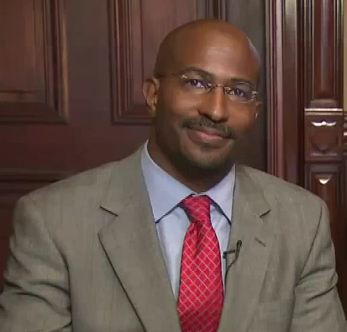
Van Jones
By David Roddy

Thomas Jefferson’s promise of a new government “deriving just powers from the consent of the governed” under the premise that “all men are created equal,” seems to have fallen short. After years of recession and rampant unemployment followed by waves of right-wing austerity and xenophobia, the Dream, to some, needs rebuilding.

Tuesday, April 5, 2011

Mother Lode Progressives at April 4th "We Are One" Rally

Mother Lode Progressives stand with Wisconsin (and Ohio, Florida, Maine, Indiana, etc) take four!


Monday, March 7, 2011

"Ruins of the American Dream" from Salon.com

Ruins of the American Dream

Take a look at this photographic essay by Megan Cytron of abandoned mines and mining communities across the American West. Nothing from the foothills, but nonetheless shows that the rotting head frames that dot our landscape are part of a once massive national economy.

Salon.com published another photoessay by Cytron titled "Ordinary Folks Change the World" inspired by the life and work of Howard Zinn.

Saturday, February 12, 2011

The Stanford Center for the Study of Poverty & Inequality: Facts About U.S. Inequality that Everyone Should Know

The Stanford Center for the Study of Poverty and Inequality is a project by Stanford and Harvard Universities aimed at studying policy initiatives to decrease wealth inequality in America. Their "20 Facts About U.S. Inequality that Everyone Should Know" presents graphics on poverty and nequality that illustrate the negative effects of "neoliberal" economic policy on working Americans. I'll discuss two of them.

The graph at left shows the gap in average CEO income as a ratio to average worker income. In 1970 a CEO made 39 dollars for every one dollar made his employee. By 2000 he made 1,031 to every workers dollar. The video below is excerpts from neoliberal icon Margaret Thatcher's last speech in the British House of Commons, justifying the similar explosion of wealth inequality in the U.K. under her rule.

Thatcher argues that the inequality her premiership built actually lifted all classes to a higher standard of living, a line that has been repeated ad nauseam by politicians on both sides of the ocean whenever they present a plan cut taxes. Problematically, wage growth is something measurable, and the claims made by Thatcher are demonstrably untrue. Unemployment tripled and British children became the most impoverished in Western Europe in the 1980s.

On the other side of the Atlantic the neoliberal policies of Ronald Reagan were similarly toted to increase the prosperity of all Americans. The bottom graph depicts the estimated "output" of each worker in terms of Gross Domestic Product during the last 40 years, which does increase during the Reagan years and continues to do so through George W. Bush. Middle class income, however, remains stagnant. So worker productivety increased while their wages stayed the same. To find out what happened to all that extra wealth, please refer to the first graph.


Just because it's yellow and trickles down doesn't mean it's gold.